
Pigmentation Expert in Pakistan: How to Choose the Right Treatment
How to identify the type of pigmentation, choose the right treatment approach, recognise warning signs and find a trustworthy pigmentation expert in Pakistan.
Dark patches, uneven tone and stubborn marks can make skin look tired and affect confidence. In Pakistan, strong sunlight, hormonal changes and a wide range of skin tones can all contribute to pigmentation.
The challenge is knowing who to trust. Choosing the right pigmentation expert in Pakistan can mean the difference between steady improvement and months of frustration—or even darker skin after unsuitable treatment.
What does a pigmentation expert do?
A pigmentation expert should first identify the type and cause of pigmentation, such as melasma, sun-related spots or post-acne marks. They should then create a personalised plan based on your skin, history, lifestyle and goals, while explaining expected results, risks and follow-up care.
Pigmentation Treatment at Shah Hassan Skin & Hair Aesthetics.
📋 Table of Contents
- What Does a Pigmentation Expert Do?
- Understanding the Types of Pigmentation
- Why Skin Tone and Climate Matter in Pakistan
- What to Look for in a Pigmentation Expert
- How Pigmentation Is Diagnosed
- Pigmentation Treatment Options
- Treatment Options at a Glance
- Red Flags When Choosing a Clinic
- What Results Can You Expect?
- Everyday Habits That Support Treatment
- Finding Pigmentation Care in Islamabad
- Frequently Asked Questions
What Does a Pigmentation Expert Do?
The right professional should not begin by selling a product, package or procedure. The process should begin with understanding your skin and determining what is causing the pigmentation.
Assess
Examines your skin and reviews your history.
Identify
Determines whether the pigmentation is melasma, post-acne marks, sun spots or another condition.
Personalise
Builds a treatment plan around your skin and lifestyle.
Explain
Discusses benefits, risks, downtime and realistic timelines.
Protect
Emphasises daily sun protection and sensible home care.
Follow Up
Monitors progress and adjusts treatment when necessary.
Understanding the Types of Pigmentation
Hyperpigmentation occurs when certain areas of skin produce more melanin than the surrounding skin. The cause matters because different types can respond differently to treatment.
Melasma
Often appears as symmetrical brown or grey-brown patches on the cheeks, forehead, upper lip and nose. Sun and visible light, hormones and genetics can contribute.
Post-Inflammatory Marks
Dark marks can remain after acne, eczema, burns, insect bites or irritation from harsh products. They may fade gradually but can sometimes be treated to speed improvement.
Sun Spots
Solar lentigines are flat, clearly defined brown spots commonly found on sun-exposed areas such as the face, hands and arms.
Other Causes
Medicines, hormonal or medical conditions, friction and less common skin conditions can also cause pigmentation.
⚠ When a Spot Needs Assessment
A patch that is raised, bleeding, rapidly changing or looks noticeably different from your other spots should be assessed promptly.
Why Skin Tone and Climate Matter in Pakistan
Many Pakistani skin tones fall within the medium-to-brown range. These skin types can develop pigment more readily after sun exposure, heat or inflammation.
☀ Why Treatment Needs to Be Carefully Selected
Strong peels, excessive heat and poorly selected laser settings may sometimes trigger irritation and rebound darkening. This makes treatment selection especially important for brown skin.
Sun protection is therefore not an optional extra. It should form the foundation of any pigmentation treatment plan.
What to Look for in a Pigmentation Expert in Pakistan
A trustworthy clinic should focus on assessment and personalised care rather than quick-whitening promises.
How Pigmentation Is Diagnosed
Most pigmentation can be assessed through a skin examination and a review of your history. In some cases, magnification or a special light may help determine whether pigment is closer to the surface or deeper in the skin.
History
Duration, triggers, medicines, hormonal factors and previous treatments.
Skin Examination
Pattern, location, colour and appearance of the pigmentation.
Assessment Tools
Magnification or specialised light may sometimes provide additional information.
Treatment Plan
The findings guide the safest and most suitable approach.
Pigmentation Treatment Options: What the Evidence Says
Treatment often combines several approaches. Some options have stronger evidence, while others remain supportive or are still being studied.
Sun & Visible-Light Protection
Broad-spectrum SPF 30 or higher applied daily is one of the most important steps. Tinted sunscreens containing iron oxides can also help with visible-light exposure.
- Apply every morning.
- Reapply when outdoors.
- Use hats and shade where practical.
Prescription Topical Treatments
Options may include hydroquinone, azelaic acid, retinoids, tranexamic acid, kojic acid, vitamin C and niacinamide.
Some combination creams have good evidence for melasma but require appropriate supervision and duration of use.
Evidence-Based OptionsChemical Peels
Superficial glycolic, salicylic, lactic or mandelic acid peels may support topical treatment and improve overall tone.
They need to be carefully selected and timed because overly aggressive treatment can cause inflammation and worsen pigmentation.
Supportive TreatmentOral Tranexamic Acid
Research suggests oral tranexamic acid may benefit some stubborn melasma cases. It is not suitable for everyone and may carry a small blood-clot risk.
Selected CasesLaser & Light-Based Treatments
Lasers are generally not the first choice for most pigmentation, especially melasma. Selected resistant cases may benefit from conservative settings.
Device selection and practitioner experience matter greatly in brown skin.
Case-DependentEmerging & Supportive Options
Microneedling with topical agents, antioxidant supplements and newer formulations are being studied.
These should generally be considered supportive options rather than guaranteed stand-alone solutions.
Emerging Evidence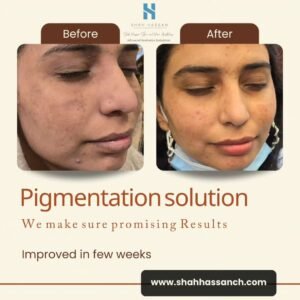
Professional pigmentation care and personalised treatment planning.
Treatment Options at a Glance
| Treatment | Typical Role | Evidence | Important Point |
|---|---|---|---|
| Sun protection | Foundation of care | Strong | Daily consistency is essential |
| Topical treatments | Pigment reduction | Good for several conditions | Some require supervision |
| Superficial peels | Supportive treatment | Moderate | Over-treatment may irritate skin |
| Oral tranexamic acid | Selected stubborn cases | Promising | Medical assessment required |
| Laser/light | Selected resistant cases | Mixed | Settings matter greatly |
| Emerging options | Supportive | Limited | Evidence is still developing |
Red Flags When Choosing a Clinic or Practitioner
Be cautious when a clinic focuses on unrealistic promises rather than diagnosis, safety and long-term skin health.
⚠ Be Careful With Unregulated Whitening Products
Unregulated skin-lightening creams deserve particular caution. Some products may contain harmful ingredients such as mercury or strong steroids. Quick whitening should never be prioritised over long-term skin health.
What Results Can You Realistically Expect?
Pigmentation usually improves gradually. Results depend on the type and depth of pigmentation, your skin characteristics, the treatment selected and how consistently you follow the plan.
Weeks 1–4 — Treatment Begins
The focus is on establishing the treatment routine and improving daily protection. Visible changes may still be limited.
Weeks 4–8 — Early Changes
Some people begin noticing lighter or less intense pigmentation during this period.
Weeks 8–12+ — More Visible Improvement
Consistent treatment and protection may lead to clearer improvement over this period.
Long Term — Maintenance
Some pigmentation, especially melasma, can return after sun exposure or hormonal changes. Maintenance is therefore important.
What Influences Your Results?
Surface pigment generally fades faster than deeper pigment. The realistic goal is significant improvement and long-term control rather than an unrealistic promise of permanent clearance.
Everyday Habits That Support Treatment
Finding Pigmentation Care in Islamabad
When comparing clinics in Islamabad, focus on the quality of the consultation rather than the size of the promises.
What should you ask before starting?
- What type of pigmentation do I have?
- What is causing or triggering it?
- Why is this treatment suitable for me?
- How long should I expect to wait for results?
- What are the possible side effects?
- What happens if the pigmentation returns?
- What home care should I follow?
At Shah Hassan Skin & Hair Aesthetics, assessment begins with understanding your skin, history and goals. Treatment options depend on what is clinically appropriate for you, with attention to benefits, risks and realistic timelines.
Frequently Asked Questions
How do I know if I have melasma or another type of pigmentation?
Melasma often appears as symmetrical brown or grey-brown patches on the cheeks, forehead, nose or upper lip. Post-acne marks usually follow previous breakouts, while sun spots are commonly small and well-defined. Because conditions can look similar, an examination is the most reliable way to distinguish them.
Can pigmentation be removed permanently?
Some pigmentation can fade substantially and remain improved. Melasma, however, can return after sun exposure, heat or hormonal changes. No responsible practitioner can guarantee permanent clearance.
How long does pigmentation treatment take?
Early changes may appear in approximately 4 to 8 weeks, while clearer improvement often takes 8 to 12 weeks or longer. Deeper or long-standing pigmentation may take several months.
Is laser treatment safe for pigmentation in brown skin?
Laser treatment can be appropriate in selected cases when conservative settings and suitable devices are used. However, it is not first-line treatment for melasma, and poorly selected settings can cause rebound pigmentation.
Are skin-whitening injections or creams a safe solution?
Quick-whitening products should be approached with caution, especially when they are unlabelled or unregulated. Safe pigmentation care focuses on treating specific pigmentation and protecting overall skin health rather than changing your natural skin tone.
When should I see a professional about pigmentation?
Seek an assessment if pigmentation is spreading, darkening, not improving with simple care or becoming irritated by products. A patch that is raised, bleeding, itching or changing quickly should receive prompt medical assessment.
Looking for a Pigmentation Expert in Pakistan?
If you are concerned about dark patches, uneven skin tone or persistent pigmentation, start with a proper assessment and a personalised treatment plan.
Book a ConsultationFinal Takeaway
The right pigmentation expert in Pakistan should diagnose before treating, consider your skin tone and lifestyle, use evidence-based options carefully and be honest about timelines and the possibility of relapse.
Sun protection, gentle skincare and patience are just as important as any procedure. The goal should be healthy, controlled improvement—not unrealistic promises of overnight whitening or permanent clearance.
Medical note: This article is for general educational purposes and does not replace personal medical advice. Treatment suitability, risks and results vary between individuals.