
Hyperpigmentation Treatment in Islamabad: Causes and Treatment Options
Understand why dark spots and uneven skin tone develop, how treatment is selected, and what results you can realistically expect.
A dark patch that remains after a pimple, uneven colour across the cheeks, or spots that become more noticeable every summer can all be signs of hyperpigmentation. These concerns are often manageable, but the right treatment depends on why the pigmentation developed in the first place.
Understanding the cause is one of the most important steps toward effective hyperpigmentation treatment in Islamabad. The goal is not simply to lighten the skin, but to identify the trigger, reduce existing pigment and help prevent it from returning.
What Is the Best Hyperpigmentation Treatment?
The most suitable treatment begins with identifying the cause, such as sun exposure, melasma, acne marks, inflammation or friction. Treatment may include daily sunscreen, prescription topical products and, when appropriate, superficial peels or carefully selected procedures. Improvement usually takes weeks to months, and maintenance is important.
Watch this video to learn more about pigmentation concerns at Shah Hassan Skin & Hair Aesthetics.
📋 Table of Contents
- What Is Hyperpigmentation?
- Common Causes of Hyperpigmentation
- Types of Hyperpigmentation
- How Hyperpigmentation Is Diagnosed
- Hyperpigmentation Treatment Options
- Matching Treatment to the Type of Pigmentation
- Treatment Options at a Glance
- What Results Can You Expect?
- Everyday Habits to Prevent Worsening
- Choosing Hyperpigmentation Treatment in Islamabad
- When Should You See a Doctor?
- Frequently Asked Questions
What Is Hyperpigmentation?
Hyperpigmentation means that certain areas of skin appear darker than the surrounding skin. It can happen when pigment-producing cells make more melanin or when pigment becomes concentrated deeper within the skin.
It can appear as small flat spots, larger facial patches, marks left after acne or inflammation, or darker areas in places such as the neck, underarms and knuckles.
Sun Spots
Flat darker spots that develop on areas repeatedly exposed to sunlight.
Facial Patches
Larger symmetrical areas of pigmentation can occur on the face.
Acne Marks
Dark marks may remain after acne or other inflammation has healed.
Skin Folds
The neck, underarms and knuckles can sometimes become darker.
Uneven Tone
Multiple areas of pigment can create an uneven overall appearance.
Different Causes
The same-looking dark patch can have very different underlying causes.
Common Causes of Hyperpigmentation
There is rarely one single cause. Pigmentation can develop when an external trigger interacts with skin that is naturally more prone to producing excess pigment.
UV exposure stimulates pigment production. Visible light may also contribute, particularly in darker skin tones.
Acne, eczema, cuts, burns, insect bites and irritation can leave dark marks after inflammation settles.
Pregnancy, hormonal contraception and hormone therapy can trigger pigmentation such as melasma.
A family history of pigmentation, especially melasma, may increase susceptibility.
Repeated rubbing, tight clothing and shaving can contribute to darker areas on the neck, underarms and thighs.
Certain medicines and medical conditions can affect skin colour and may require medical assessment.
⚠ The Cause Matters
A treatment that works well for one type of pigmentation may not be appropriate for another. Identifying the cause first can help avoid unnecessary irritation and ineffective treatment.
Types of Hyperpigmentation You Should Know
1. Melasma
Usually appears as symmetrical brown or grey-brown patches on areas such as the cheeks, forehead and upper lip. Sun exposure, hormones and genetics can contribute.
2. Post-Inflammatory Hyperpigmentation
Flat darker marks that develop after acne, eczema, injuries, burns or irritation.
3. Solar Lentigines
Well-defined flat brown spots that commonly occur on areas with cumulative sun exposure.
4. Friction-Related Darkening
Darker or sometimes thicker skin may develop on the neck, underarms or knuckles because of rubbing and other contributing factors.
The depth of pigment also matters. Pigment located closer to the surface generally responds more quickly than deeper pigment, while mixed patterns can occur.
How Hyperpigmentation Is Diagnosed
Most pigmentation concerns can be assessed by examining the skin and discussing your history. Important information can include when the pigmentation started, sun exposure, medicines, pregnancy history, previous treatments and the products currently being used.
The most suitable treatment for melasma is not necessarily the same treatment used for acne marks or sun spots. Correct identification helps guide safer treatment decisions.
Hyperpigmentation Treatment in Islamabad: Treatment Options
Effective care generally focuses on three goals: protecting the skin from triggers, gradually reducing existing pigment and preventing recurrence.
Daily Sun Protection
Sun protection is the foundation of pigmentation management. Broad-spectrum sunscreen with SPF 30 or higher should be used consistently.
- Apply sunscreen every morning.
- Reapply when outdoors.
- Use a hat or umbrella when appropriate.
- Tinted sunscreen containing iron oxides may help with visible-light exposure.
Prescription Topical Treatments
Topical products are commonly used as a starting point. Options may include hydroquinone, azelaic acid, retinoids, combination creams and supportive ingredients.
- Hydroquinone
- Azelaic acid
- Retinoids
- Triple combination creams
- Vitamin C and niacinamide
- Kojic acid and tranexamic acid
Superficial Chemical Peels
Superficial peels using ingredients such as glycolic, salicylic, lactic or mandelic acid may help refine tone and support topical treatment.
Gentle strengths and appropriate timing are particularly important for brown skin because excessive irritation can worsen pigmentation.
Moderate EvidenceOral Tranexamic Acid
Oral tranexamic acid may help selected cases of persistent melasma. It is generally an off-label option and requires proper medical assessment.
Because of potential blood-clot risks, it should never be self-prescribed.
Promising • Doctor PrescribedLaser & Light-Based Procedures
Some procedures can help selected types of pigmentation, including certain discrete sun spots. They are not usually first-line treatment for melasma.
Device selection and conservative settings are important because heat and inflammation can sometimes trigger rebound pigmentation.
Selective UseEmerging & Supportive Approaches
Microneedling combined with topical agents, antioxidant supplements and newer topical formulations are being studied.
These should generally be viewed as supportive approaches rather than guaranteed stand-alone solutions.
Limited / Emerging EvidenceMatching Treatment to the Type of Pigmentation
Hyperpigmentation Treatment Options at a Glance
| Treatment | Main Role | Evidence | Important Consideration |
|---|---|---|---|
| Sun Protection | Foundation of care | Strong | Requires daily consistency |
| Topical Treatments | Pigment reduction | Well established | Some products require supervision |
| Chemical Peels | Supportive treatment | Moderate | Over-treatment can cause irritation |
| Oral Tranexamic Acid | Selected persistent melasma | Promising | Doctor-prescribed; clot risk must be considered |
| Laser / Light Procedures | Selected pigmentation | Variable | Settings and experience are important |
| Emerging Options | Supportive care | Limited | Evidence is still developing |
What Results Can You Realistically Expect?
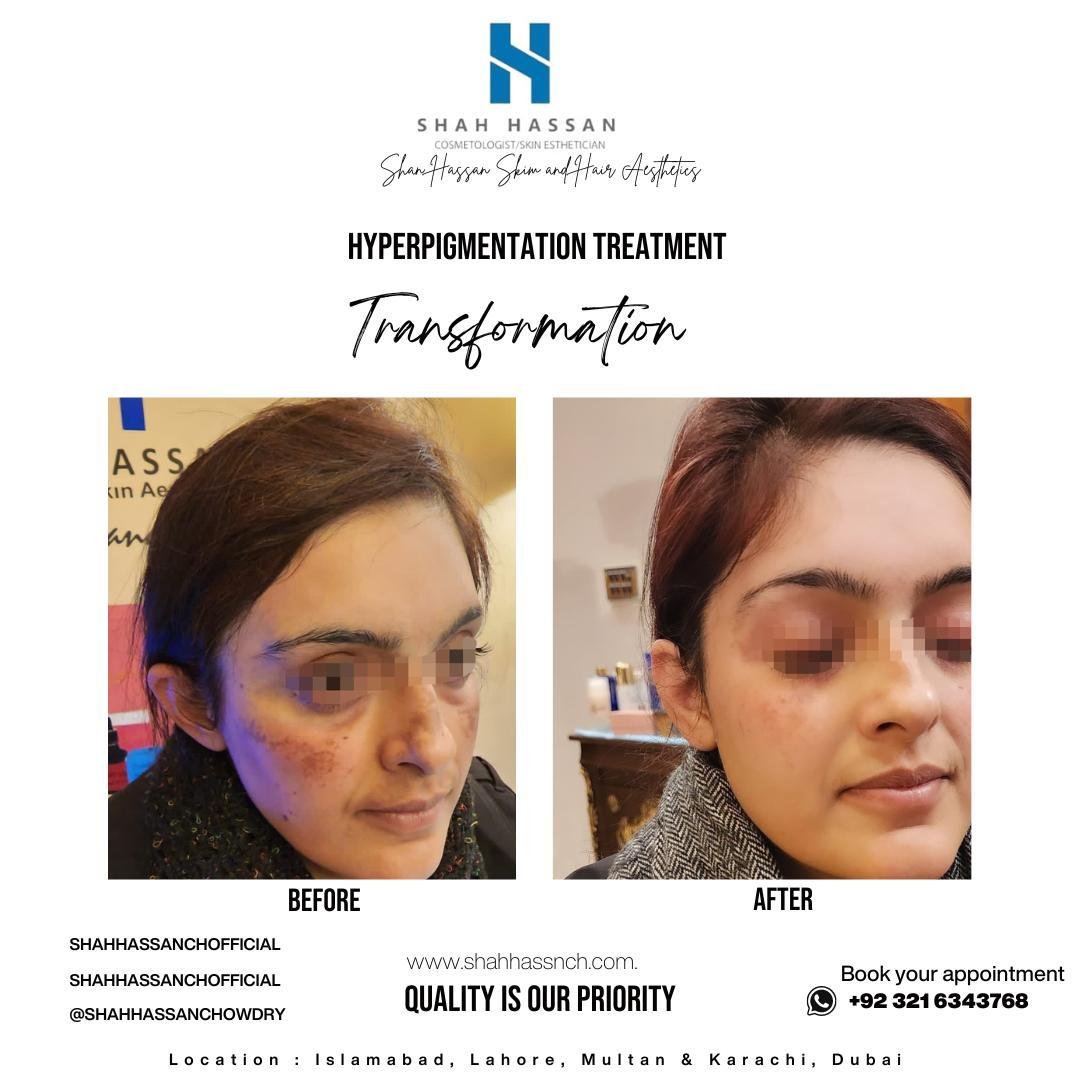
Hyperpigmentation rarely disappears overnight. Results vary depending on the cause, depth of pigment, skin characteristics, treatment consistency and exposure to triggers.
Weeks 1–4 — Treatment Begins
The focus is usually on consistent protection, gentle skincare and starting the recommended treatment plan.
Weeks 4–8 — Early Changes
Some people begin noticing lighter pigmentation or reduced intensity during this period.
Weeks 8–12+ — More Visible Improvement
Consistent treatment and sun protection may produce more noticeable improvement.
Long Term — Maintenance
Pigmentation can return, particularly melasma, after sun exposure, hormonal changes or stopping maintenance care.
What Influences Your Results?
These visual bars are a simple educational representation rather than a prediction of individual treatment results.
The aim is meaningful improvement and long-term control rather than a promise of permanent clearance. Some forms of pigmentation can return, so maintenance matters.
Everyday Habits That Can Help Prevent Pigmentation From Worsening
⚠ Be Careful With Unverified Lightening Products
Some products of unknown origin may contain ingredients that can harm the skin. Your source material notes that certain unregulated products may contain mercury or strong steroids.
Choosing Hyperpigmentation Treatment in Islamabad
Choosing the right provider is about more than finding the fastest procedure. A good treatment plan should begin with understanding your pigmentation, skin characteristics, triggers, medical history and goals.
At Shah Hassan Skin & Hair Aesthetics in Islamabad, the approach begins with understanding your skin, concerns and goals. The options discussed depend on what is clinically appropriate for you.
When Should You See a Doctor About Pigmentation?
A professional assessment is especially useful when the pigmentation is persistent, spreading, changing or difficult to identify.
Spreading
The dark patch is becoming larger or more widespread.
Changing
A patch is rapidly changing in appearance.
Raised
A dark spot becomes raised rather than remaining flat.
Bleeding
A spot begins bleeding or develops an unusual appearance.
Uncertain
You are unsure what type of pigmentation you have.
Affecting Confidence
The pigmentation is affecting your confidence or daily life.
Important
A dark patch that is raised, bleeding, itchy, uneven in colour or changing quickly should be medically assessed rather than treated with cosmetic products at home.
Frequently Asked Questions About Hyperpigmentation Treatment
What causes hyperpigmentation on the face?
Common causes include sun exposure, melasma, acne-related marks and irritation. Friction, certain medicines and some medical conditions can also contribute.
How long does hyperpigmentation treatment take to work?
Some people notice early changes within 4 to 8 weeks, while clearer improvement may take 8 to 12 weeks or longer. Deeper or long-standing pigmentation may require several months.
Can hyperpigmentation be removed permanently?
Some pigmentation can fade significantly and remain improved, while conditions such as melasma can return. No treatment can guarantee permanent clearance, but sun protection and maintenance can help control recurrence.
Is laser treatment safe for hyperpigmentation in brown skin?
Laser treatment can be appropriate for selected pigmentation when conservative settings and suitable devices are used. It is not generally first-line treatment for melasma, and inappropriate settings can cause rebound pigmentation.
Which home remedies are safe for dark spots?
Gentle skincare, moisturising and consistent sunscreen are safer approaches. Lemon juice, baking soda, toothpaste and similar DIY remedies can irritate or burn the skin and may worsen pigmentation.
When should I worry about a dark patch?
Seek medical assessment if a spot is raised, bleeding, itchy, uneven in colour, growing or changing quickly, or looks significantly different from your other spots.
Final Takeaway
Hyperpigmentation has many possible causes, which is why effective hyperpigmentation treatment in Islamabad should begin with understanding the cause rather than simply choosing a lightening product.
Daily sun protection, carefully selected treatments, gentle skincare and patience are central to achieving dependable improvement. The right treatment depends on whether the pigmentation is related to melasma, acne, sun exposure, inflammation, friction or another cause.
Ready to Discuss Your Pigmentation?
If pigmentation is affecting your confidence, a professional assessment can help identify the likely cause and explain which treatment options may be suitable for your skin.
Book Your ConsultationMedical note: This article is for general educational purposes and does not replace personal medical advice. Treatment suitability, risks and results vary between individuals. Prescription treatments should only be used under appropriate medical guidance.