
Can Copper Peptide Serum Help with Acne Scars?
Acne scars can feel like they stick around long after the breakouts are gone. If you have spent time searching for a solution, you have probably come across copper peptide serum as a popular skincare recommendation. But does it actually work, or is it just another trend?
This guide breaks down what copper peptides are, how they interact with your skin, and whether they can genuinely help fade acne scars. It is written for anyone new to skincare ingredients as well as people who already have some experience and want a clearer, evidence based answer.
Copper peptide serum can help improve the appearance of acne scars over time. It supports collagen production, encourages skin repair, and helps calm inflammation. Results are usually gradual, appearing after several weeks of consistent use, and work best on shallow scars rather than deep, pitted ones.
What Is Copper Peptide Serum?
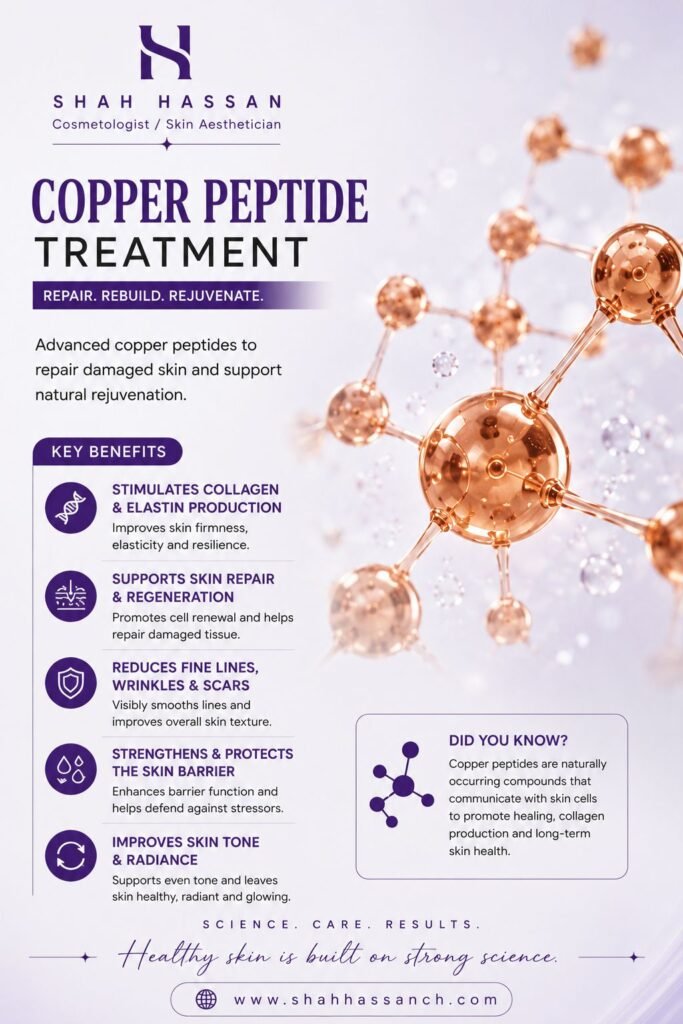
Copper peptide serum is a skincare product that combines copper with small chains of amino acids called peptides. Together, they form what is often labeled as GHK-Cu, one of the most researched copper peptide complexes in skincare.
This combination is naturally found in the human body, but levels decline with age. That decline is one reason skin becomes slower to heal and repair itself over time.
In skincare formulas, copper peptides are added because they:
- Support the skin’s natural repair process
- Help boost collagen and elastin, the proteins that keep skin firm
- Have antioxidant properties that protect against damage
- May reduce redness and calm irritated skin
How Does Copper Peptide Serum Work on Acne Scars?
Acne scars form when the skin’s healing process is disrupted after a breakout, often due to inflammation or a loss of collagen in that area. Copper peptides work by targeting this healing process directly.
Here is a simple breakdown of how it works:
- Copper peptides signal skin cells to increase collagen and elastin production.
- They help clear away damaged collagen so new, healthier collagen can form.
- They support blood vessel formation, which improves nutrient delivery to the skin.
- They have mild antioxidant effects that reduce oxidative stress linked to scarring.
In simple terms, copper peptides do not erase scars overnight. They gradually encourage your skin to rebuild itself in a healthier way.
Why Do Dermatologists Recommend Copper Peptides for Scarring?
Many skincare professionals recommend copper peptide serum because it works with the skin’s biology rather than against it. Unlike harsh exfoliants that strip the top layer of skin, copper peptides focus on repair from within.
A few reasons this ingredient stands out:
- It is generally well tolerated, even by sensitive skin
- It supports long term skin structure, not just surface appearance
- It can be combined with other acne scar treatments for better results
- It has a lower risk of irritation compared to strong acids or retinoids
If you want a deeper understanding of how professionals evaluate skincare ingredients for scarring, the skincare experts at <a href=”https://shahhassanch.com/”>Shah Hassan Ch</a> regularly break down which actives are backed by real clinical evidence.
When Should You Start Using Copper Peptide Serum for Acne Scars?
Timing matters when it comes to scar treatment. Using copper peptides too early on an active breakout can sometimes cause more irritation, while waiting too long may allow scars to become more set in.
A general guideline:
- Wait until active acne inflammation has calmed down before starting treatment
- Begin once the skin barrier feels stable and is not overly sensitive
- Continue for at least eight to twelve weeks before expecting noticeable change
- Use consistently, since sporadic use slows down visible results
Skin renewal cycles typically take around four to six weeks, so patience is part of the process.
What Types of Acne Scars Respond Best to Copper Peptides?
Not all scars behave the same way, so results can vary depending on scar type.
| Scar Type | How It Looks | Response to Copper Peptides |
|---|---|---|
| Post inflammatory marks | Flat red or dark spots | Often responds well |
| Shallow rolling scars | Slight uneven texture | Moderate improvement over time |
| Boxcar scars | Defined edges, moderate depth | Limited improvement alone |
| Deep ice pick scars | Narrow and deep | Usually needs professional treatment |
If your scars are shallow or mostly discoloration rather than deep texture, copper peptide serum is more likely to make a visible difference.
How Should You Use Copper Peptide Serum Correctly?
Getting the application right matters just as much as choosing the right product. Here is a simple routine to follow.
Step by step application:
- Cleanse your face with a gentle, non stripping cleanser.
- Pat skin dry instead of rubbing it.
- Apply a few drops of copper peptide serum to the affected area.
- Gently press the product into the skin rather than dragging it.
- Follow with a moisturizer to lock in hydration.
- Apply sunscreen during the day, since new skin cells are more sensitive to sun damage.
Ingredients to avoid mixing directly with copper peptides:
- Vitamin C in high concentrations
- Direct acids like AHAs or BHAs used at the same time
- Retinol applied in the same routine, unless advised by a professional
Alternating these actives on different days often works better than layering them together.
Why Consistency Matters More Than Product Strength
Many people expect fast results and give up too early. In reality, skin repair is a slow, biological process. Based on general skincare observations, most visible improvement with copper peptides shows up gradually, often starting around the six week mark and continuing to improve over several months.
This is similar to how a workout routine builds visible results over time rather than overnight. The consistent, repeated signal to the skin is what drives change.
Real World Example: What Gradual Improvement Looks Like
Consider someone who dealt with post acne marks on their cheeks. In the first two weeks, they may notice softer, more hydrated skin, but no visible change in the scars. By week six, discoloration may start to look lighter. By week twelve, texture may feel smoother, though deeper marks might still be visible.
This kind of gradual timeline is typical and reflects how the skin naturally rebuilds collagen. It also highlights why patience and consistency are more important than switching products frequently.
For readers who want structured skincare routines tailored to scarring and texture concerns, <a href=”https://shahhassanch.com/”>Shah Hassan Ch</a> offers practical guides that walk through building an effective, dermatologist informed routine step by step.
Can Copper Peptide Serum Be Combined with Other Treatments?
Yes, and in many cases, combining treatments leads to better results than using copper peptides alone.
Commonly paired treatments include:
- Gentle chemical exfoliants used on alternating days
- Niacinamide for additional barrier support
- Sunscreen, which protects new collagen from breaking down
- Professional treatments like microneedling, often spaced apart from peptide use
Always introduce one new product at a time so you can track how your skin responds.
Frequently Asked Questions
Does copper peptide serum work for old acne scars?
Yes, but results depend on scar depth. Older scars that are shallow or mostly discoloration tend to respond better than deep, pitted scars, which usually need professional treatment for major change.
How long does it take to see results from copper peptide serum?
Most people notice initial changes in skin texture and hydration within a few weeks, while visible improvement in scarring typically takes eight to twelve weeks of consistent use.
Is copper peptide serum safe for sensitive skin?
Generally, yes. Copper peptides are considered gentle compared to stronger actives like retinoids or acids, though a patch test is always recommended before full use.
Can I use copper peptide serum every day?
Most formulas are designed for daily use, often once or twice a day, but it is best to follow the specific product instructions since concentrations vary between brands.
Does copper peptide serum lighten dark spots from acne?
It can help fade post acne discoloration over time by supporting skin renewal, though it works more on overall skin repair than as a direct spot lightening treatment.
Can copper peptide serum replace professional scar treatments?
Not entirely. It works well for maintenance and mild to moderate scarring, but deeper scars often benefit from professional options like microneedling or laser treatments alongside a peptide based routine.
Is it normal for skin to feel different when starting copper peptides?
Mild changes like increased hydration or slight sensitivity can be normal at first. Persistent irritation, however, is a sign to reduce frequency or consult a dermatologist.
Final Summary
Copper peptide serum can genuinely support acne scar improvement by boosting collagen production, calming inflammation, and helping the skin repair itself more effectively. It works best on shallow scars and post acne discoloration, and results build gradually with consistent use rather than overnight.
If you are dealing with acne scars and want a realistic, science backed approach to treating them, starting with a quality copper peptide serum and staying consistent for at least two to three months is a reasonable first step. Pair it with sun protection and a gentle routine for the best chance at visible improvement.