
Melasma Treatment Near Me: What Actually Works and Where to Find Expert Help
If you have been searching for melasma treatment near me, you are not alone. Millions of people deal with this stubborn skin condition every year. The good news is that effective, professional treatment is more accessible than ever, and knowing what to look for can save you time, money, and frustration.
The best way to find melasma treatment near me is to search for a board-certified dermatologist or licensed medical aesthetician in your city. Effective treatments include topical creams with hydroquinone or tranexamic acid, chemical peels, laser therapy, and combination protocols. Results depend on your skin type, sun exposure habits, and how consistently you follow your treatment plan.
What Is Melasma and Why Does It Happen?
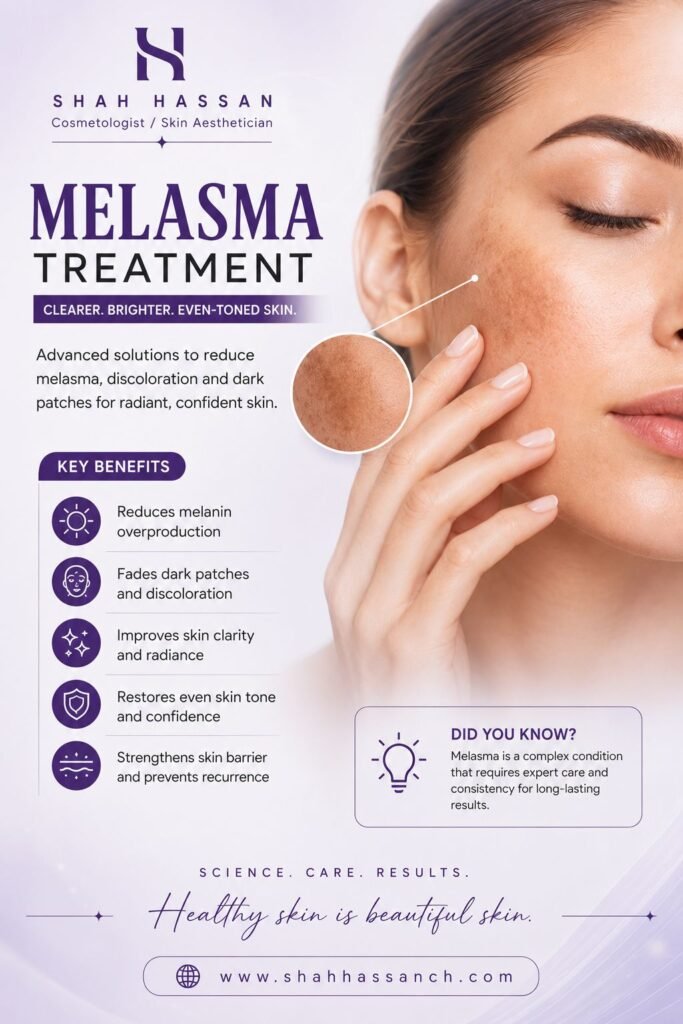
Melasma is a common skin condition that causes brown, gray-brown, or bluish-gray patches on the face. These patches usually appear on the cheeks, forehead, upper lip, nose, and chin. It is more common in women, particularly those who are pregnant or taking hormonal contraceptives, though men can develop it too.
The root causes of melasma include:
- Sun exposure and UV radiation
- Hormonal changes during pregnancy or birth control use
- Genetic predisposition
- Heat from the environment or electronic screens
- Thyroid dysfunction in some cases
Understanding what triggers your melasma is the first step toward finding the right treatment.
How Do I Know If I Have Melasma or Just Hyperpigmentation?
This is one of the most common questions people ask when they first notice dark patches on their skin. Melasma and post-inflammatory hyperpigmentation can look similar, but they behave differently.
Melasma tends to:
- Appear symmetrically on both sides of the face
- Worsen in summer and improve slightly in winter
- Persist for months or even years without treatment
- Be linked to hormonal triggers
Post-inflammatory hyperpigmentation, on the other hand, usually follows an injury, acne breakout, or skin inflammation and tends to fade more predictably over time.
What Are the Most Effective Melasma Treatments Available Today?
When you look for melasma treatment near me, you will find several evidence-based options. The right one for you depends on your skin type, the depth of your pigmentation, your lifestyle, and your budget.
Topical Treatments
Topical agents are usually the first line of treatment for melasma. The most commonly prescribed include:
- Hydroquinone (2% to 4%): The gold standard for lightening dark patches. It works by blocking melanin production. Available by prescription in higher concentrations.
- Tranexamic acid: A newer and increasingly popular ingredient that reduces pigmentation with fewer side effects than hydroquinone.
- Kojic acid: A natural alternative derived from fungi, often combined with other ingredients.
- Azelaic acid: Gentle enough for sensitive skin and safe during pregnancy.
- Retinoids: Vitamin A derivatives that speed up cell turnover and help fade dark spots over time.
Many dermatologists use a triple combination cream containing hydroquinone, a corticosteroid, and a retinoid for more aggressive melasma treatment.
Chemical Peels
Chemical peels remove the outer layers of skin and stimulate new cell growth. Common types used for melasma treatment include:
- Glycolic acid peels (mild to moderate)
- Salicylic acid peels (good for oily or acne-prone skin)
- Trichloroacetic acid (TCA) peels (deeper pigmentation)
Peels are often combined with topical treatments for better results. They require downtime and careful sun protection afterward.
Laser and Light Therapies
For stubborn or deeper melasma, laser treatments can make a significant difference. Options include:
- Q-switched Nd:YAG laser: Safe for darker skin tones and widely used for melasma treatment
- Fractional lasers: Target deeper layers of skin without damaging the surface
- Intense Pulsed Light (IPL): Effective for superficial pigmentation
It is important to note that laser therapy for melasma must be done carefully by an experienced provider. The wrong laser or too much energy can worsen pigmentation, especially in darker skin tones.
Oral Treatments
Oral tranexamic acid has gained widespread attention in dermatology as a systemic option for melasma treatment. Studies show it can significantly reduce the Melasma Area and Severity Index (MASI) score with a good safety profile when used under medical supervision.
Why Is Sun Protection the Most Important Part of Any Melasma Treatment Plan?
No melasma treatment will work long term without rigorous sun protection. UV radiation is the biggest trigger for melanin overproduction. Dermatologists consistently emphasize that sunscreen is not optional but essential.
For effective sun protection during melasma treatment:
- Use a broad-spectrum SPF 50 or higher every single day, even on cloudy days
- Reapply every two hours when outdoors
- Wear wide-brimmed hats and UV-protective clothing
- Avoid peak sun hours between 10 AM and 4 PM
- Consider using a physical sunscreen with zinc oxide or titanium dioxide, which offers better protection for melasma-prone skin
Patients who skip sunscreen often see their melasma return within weeks of completing treatment.
How Do I Find the Best Melasma Treatment Near Me?
Finding the right provider is just as important as finding the right treatment. Here are the steps to follow when searching for melasma treatment near me:
Step 1: Search for board-certified dermatologists Look for a dermatologist who specifically mentions pigmentation disorders or melasma treatment on their website or profile.
Step 2: Check reviews and before-and-after photos Patient testimonials and visual evidence of results can tell you a lot about a provider’s experience with melasma.
Step 3: Ask about their treatment approach A good provider will assess your skin type, discuss your hormonal history, and recommend a customized plan rather than a one-size-fits-all protocol.
Step 4: Verify their technology and products Ask if they offer combination treatments and whether they use medical-grade skincare alongside in-office procedures.
Step 5: Consider consultations at multiple clinics Many clinics offer free or low-cost consultations. Getting more than one opinion helps you compare approaches and feel confident in your decision.
What Should I Expect During a Melasma Treatment Consultation?
During your first visit when seeking melasma treatment near me, a qualified dermatologist will typically:
- Examine your skin under natural and specialized lighting
- Review your medical and hormonal history
- Assess your Fitzpatrick skin type (important for choosing safe treatment options)
- Discuss your lifestyle, sun habits, and previous skincare use
- Recommend a treatment plan and timeline with realistic expectations
Patients should be prepared for the fact that melasma treatment is rarely a quick fix. Most protocols require three to six months of consistent effort before significant improvement is visible.
How Long Does Melasma Treatment Take to Work?
This is one of the most frequently asked questions among people searching for melasma treatment near me. Here is a general timeline based on treatment type:
| Treatment Type | Expected Timeline for Visible Results |
|---|---|
| Topical hydroquinone | 4 to 8 weeks |
| Chemical peels (series) | 6 to 12 weeks |
| Laser therapy | 4 to 8 weeks after session series |
| Oral tranexamic acid | 8 to 12 weeks |
| Combination protocol | 3 to 6 months |
Results vary based on the severity of your melasma, skin type, and how diligently you follow aftercare instructions.
Frequently Asked Questions About Melasma Treatment
Is melasma treatment permanent?
Melasma treatment can significantly lighten or even clear the patches, but it is not always permanent. Because melasma is strongly linked to hormonal and sun-related triggers, it can return if those triggers are not managed. Maintenance treatments and daily sunscreen use are usually recommended long term.
Can melasma be treated at home without seeing a doctor?
Over-the-counter products containing niacinamide, vitamin C, kojic acid, or azelaic acid can help fade mild melasma over time. However, for moderate to severe cases, professional melasma treatment near me is strongly recommended. A dermatologist can prescribe stronger agents and monitor your skin for adverse reactions.
Is laser treatment safe for dark skin tones?
Yes, but it must be done carefully. Certain lasers, particularly the Q-switched Nd:YAG, are considered safe for darker skin tones. The key is working with a provider who has experience treating melasma in patients with Fitzpatrick skin types IV through VI. Improper laser use can cause post-inflammatory hyperpigmentation and worsen the condition.
Does melasma come back after treatment?
Unfortunately, melasma has a high recurrence rate, especially with continued sun exposure or ongoing hormonal changes. This is why most dermatologists emphasize that treating melasma is a long-term commitment. Once you achieve good results, maintenance treatments and strict photoprotection help prevent relapse.
What is the cost of melasma treatment?
Costs vary depending on your location, the type of treatment, and the clinic you visit. Topical prescription treatments are generally the most affordable option. Chemical peels range from moderate to high in cost depending on depth and number of sessions. Laser treatments tend to be the most expensive but may offer faster results for stubborn melasma. A consultation with a provider offering melasma treatment near me will give you an accurate quote.
Can pregnant women get melasma treatment?
Pregnancy is one of the most common triggers of melasma, sometimes called the mask of pregnancy. Most prescription-strength melasma treatments, including hydroquinone and retinoids, are not recommended during pregnancy. Azelaic acid and physical sunscreen are generally considered safe. It is always best to consult with a dermatologist before starting any treatment while pregnant or breastfeeding.
How do I know if my melasma is epidermal or dermal?
Epidermal melasma sits in the upper layers of the skin and responds better to topical treatments and peels. Dermal melasma is deeper and more challenging to treat. A Wood’s lamp exam under ultraviolet light can help distinguish between the two. Mixed-type melasma is also common. This is one more reason why professional evaluation is essential when looking for melasma treatment near me.
Summary
Melasma is a manageable condition, but it requires a thoughtful, consistent, and professional approach. The most effective results come from combining topical treatments, in-office procedures, and non-negotiable sun protection. No single treatment works in isolation.
If you have been living with stubborn facial patches and are ready to take action, start by booking a consultation with a qualified dermatologist who specializes in melasma treatment. Make sure to discuss your skin type, hormonal history, and lifestyle habits so your provider can build a plan that is truly personalized for you.